Balancing Creativity and Functionality in Home Design
- Rica Selva Petersen
- May 24
- 4 min read

Designing a home is a journey that combines creativity and functionality. Every homeowner wants a space that reflects their personality while also serving practical needs. Striking this balance can be challenging, but with the right approach, it is entirely achievable. In this post, we will explore how to harmonize these two essential elements in home design, offering practical tips, examples, and inspiration to help you create a space that is both beautiful and functional.
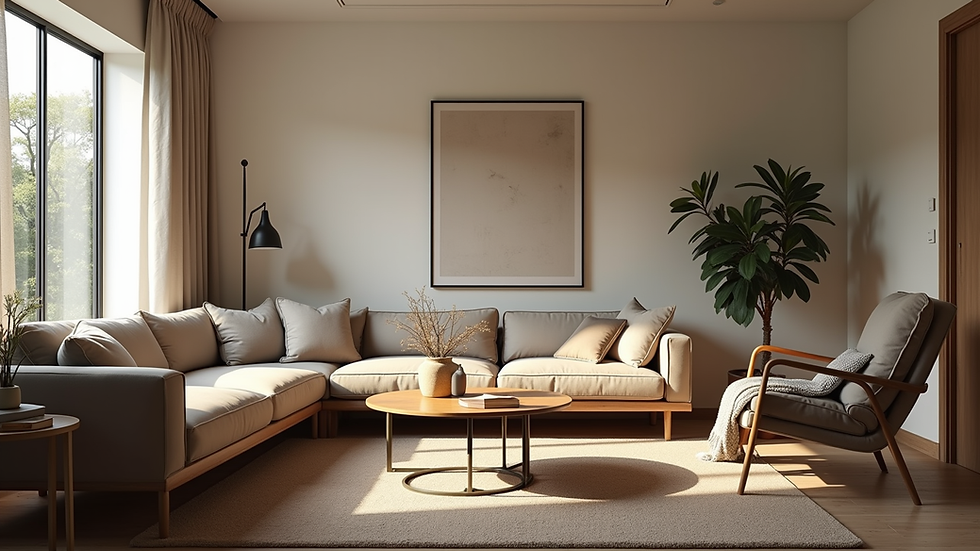
Understanding the Importance of Balance
The Role of Creativity in Home Design
Creativity is the heart of home design. It allows homeowners to express their individuality and create spaces that tell their stories. Whether it's through color choices, furniture selection, or unique decor items, creativity brings life to a home. Here are some ways creativity can enhance your living space:
Personalization: Customizing your home with unique decor items or artwork that resonates with you.
Color Schemes: Using bold colors or unexpected combinations to create a mood or atmosphere.
Innovative Layouts: Experimenting with furniture arrangements to create a flow that suits your lifestyle.
The Role of Functionality in Home Design
While creativity adds flair, functionality ensures that a home meets the daily needs of its occupants. A well-designed space should be practical and comfortable. Here are some key aspects of functionality:
Space Utilization: Making the most of available space, especially in smaller homes.
Accessibility: Ensuring that all areas of the home are easy to navigate and use.
Durability: Choosing materials and furnishings that withstand wear and tear.
Finding the Right Balance
Assessing Your Needs
Before diving into design, take a moment to assess your needs. Consider the following questions:
How many people live in your home?
What activities do you engage in regularly?
Are there any specific requirements, such as accessibility needs?
By understanding your lifestyle, you can make informed decisions that cater to both creativity and functionality.
Creating a Design Plan
Once you have a clear understanding of your needs, it's time to create a design plan. This plan should include:
Aesthetic Goals: What style do you want to achieve? Modern, rustic, eclectic?
Functional Requirements: What features must be included? Storage solutions, workspaces, etc.?
Budget: Determine how much you are willing to spend on your project.
Combining Elements
Now that you have a plan, it's time to combine creativity and functionality. Here are some strategies to achieve this balance:
Multi-Functional Furniture: Invest in pieces that serve multiple purposes, such as a sofa bed or an ottoman with storage.
Creative Storage Solutions: Use decorative baskets or shelving units that not only store items but also add to the decor.
Flexible Spaces: Design areas that can adapt to different activities, like a dining room that can also serve as a workspace.
Inspiration from Real Homes
Case Study 1: The Modern Family Home
In a recent renovation, a family transformed their traditional home into a modern oasis. They achieved a balance by:
Open Concept Layout: Removing walls to create a spacious living area that encourages family interaction.
Bold Color Choices: Using a vibrant accent wall to add personality without overwhelming the space.
Functional Zones: Incorporating a play area for children that blends seamlessly with the living room.
Case Study 2: The Minimalist Apartment
A couple living in a small apartment embraced minimalism to maximize functionality. Their approach included:
Streamlined Furniture: Choosing sleek, modern furniture that takes up less space and offers storage.
Neutral Palette: Using a soft color palette to create an airy feel while allowing for creative decor accents.
Smart Technology: Integrating smart home devices to enhance convenience and efficiency.
Tips for Balancing Creativity and Functionality
Start with a Focal Point
Every room should have a focal point that draws the eye. This could be a piece of art, a unique piece of furniture, or an architectural feature. By establishing a focal point, you can build the rest of the room around it, ensuring that creativity shines while maintaining functionality.
Use Textures and Patterns
Incorporating different textures and patterns can add depth and interest to your space. Consider using:
Textured Fabrics: Such as velvet or linen for cushions and curtains.
Layered Rugs: To create warmth and define areas within a room.
Accent Walls: With wallpaper or paint to introduce patterns without overwhelming the space.
Incorporate Natural Elements
Bringing nature indoors can enhance both creativity and functionality. Plants not only improve air quality but also add a vibrant touch to your decor. Consider using:
Indoor Plants: Such as succulents or ferns that require minimal maintenance.
Natural Materials: Like wood or stone for furniture and decor items.
Conclusion
Balancing creativity and functionality in home design is not just about aesthetics; it's about creating a space that works for you and your lifestyle. By assessing your needs, creating a thoughtful design plan, and incorporating elements that serve both purposes, you can achieve a harmonious living environment. Remember, your home should be a reflection of who you are while also being a practical space for everyday life.
As you embark on your design journey, keep these principles in mind, and don't be afraid to experiment. The perfect balance is waiting to be discovered in your own home.

Comments